




Free guide · 2027 edition
Choosing a cask, maturation, costs, bottling and your label, with the questions to ask any seller and a glossary for owners.
Download the free guide18 pages, sent straight to you as a PDF
The essentials on one page.
The legal minimum in oak, in Scotland, before spirit becomes Scotch whisky
The lowest strength at which Scotch whisky may be bottled
The “angels’ share”: volume lost to evaporation each year, roughly
Casks are stored duty-suspended in HMRC-approved warehouses
The cask should be held in an account in your own name at the warehouse
Single malt Scotch whisky must be bottled in Scotland
Eighteen illustrated pages.
Cask values depend on the distillery, the age of the whisky and demand, and can fall as well as rise. Casks are not regulated financial products. Choose casks you would be proud to bottle. Already own one? Try our Bottle Calculator.
Choose with your palate rather than a label. We help private collectors and families find, keep and bottle casks they would be proud to share.
Download the free guidePrivate journeys through Scotland,
and the world of Scotch whisky.
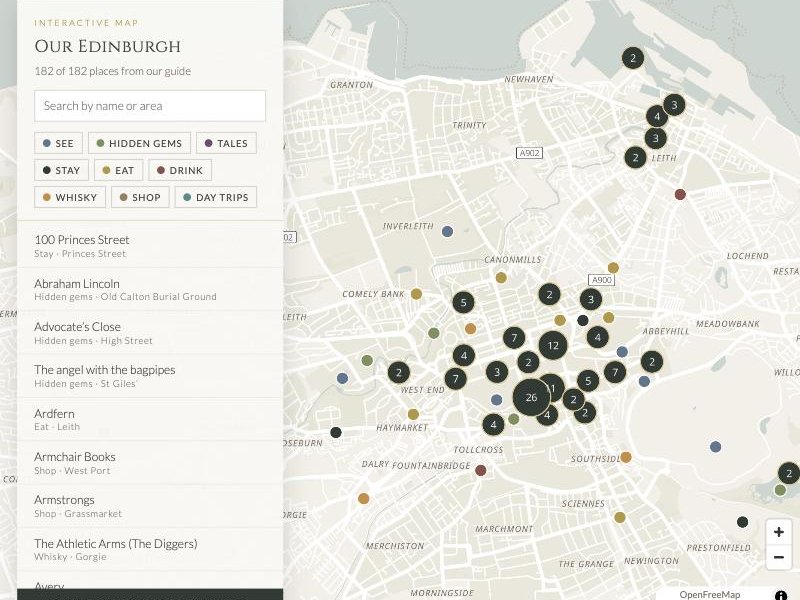 Explore our Edinburgh map →
